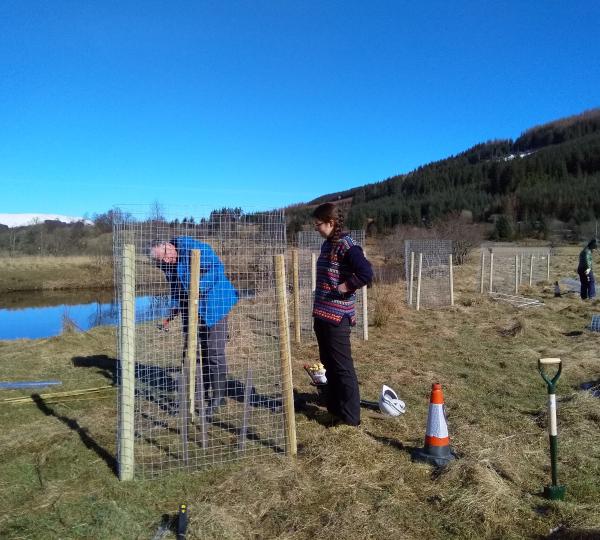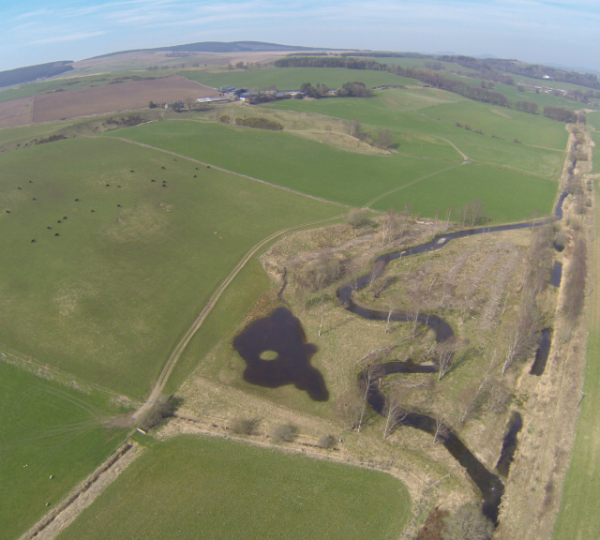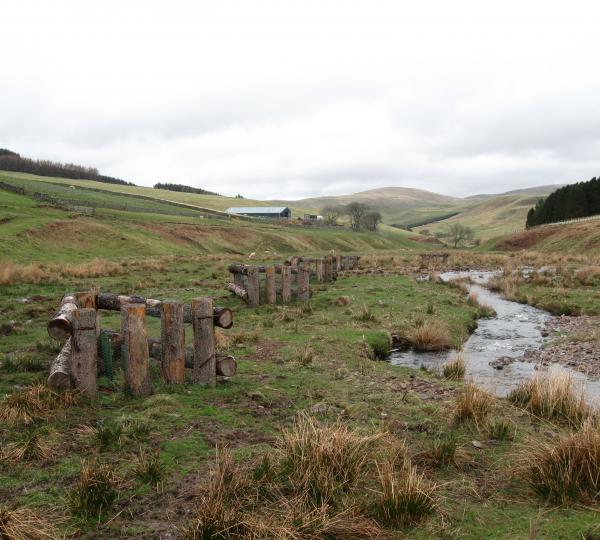
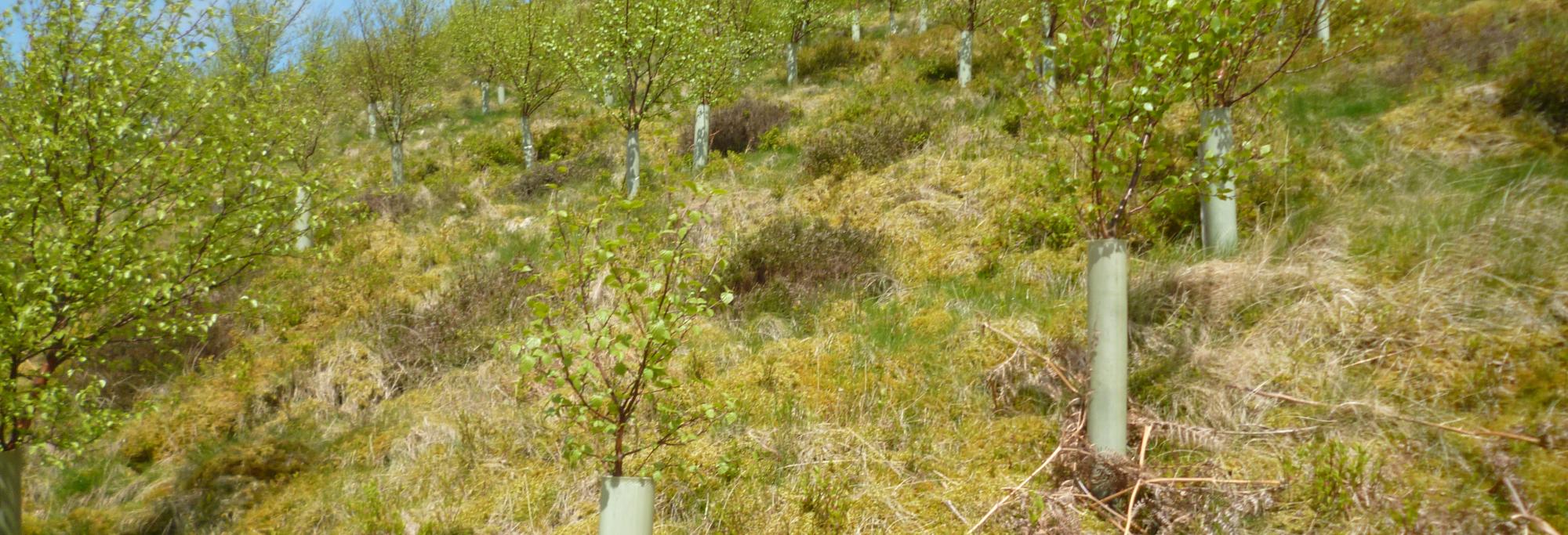
Woodlands can help to attenuate floods through a number of hydrological processes, such as the interception of rainfall, increased use of water (evapotranspiration), and increased infiltration of water into the soil profile. Woodlands also act to slow surface runoff and reduce sediment transport down hillslopes, by increasing the resistance to flow. Upland areas, which have higher rainfall, steeper slopes, gullies and often quite shallow soils, can deliver significant amounts of floodwater from headwaters to the lower catchment areas. Well sited and managed woodlands protect the soil from disturbance and improve soil structure due to the action of tree roots and high inputs of organic matter. These conditions enhance the soil infiltration pathways and the water storage capacity thereby reducing direct surface run-off, erosion and sediment transport.
Case Studies
News & Events
- CREW report highlights natural capital’s role in protecting Scotland’s water environmentA new report led by CREW, Scotland’s Centre of Expertise for Waters highlights how a natural capital approach can strengthen River Basin Management Planning (RBMP) and help protect and improve Scotland’s water environment. The… Read more: CREW report highlights natural capital’s role in protecting Scotland’s water environment
- Scotland’s Flood Resilience Conference 202726th January, 2027 – 10:00 to 27 January, 2027 – 17:30 Scotland’s Flood Resilience Conference 2027 will take place at Dynamic Earth, Edinburgh, on 26-27 January 2027, bringing together Scotland’s flood resilience community to… Read more: Scotland’s Flood Resilience Conference 2027
- SEPA Flood Risk Management Plans 2028-2034 ConsultationThe Scottish Environment Protection Agency (SEPA) is carrying out two phases of consultation to inform the development of the 2028-2034 Flood Risk Management Plans. Phase 1 is open now and focuses on community engagement.… Read more: SEPA Flood Risk Management Plans 2028-2034 Consultation
Images