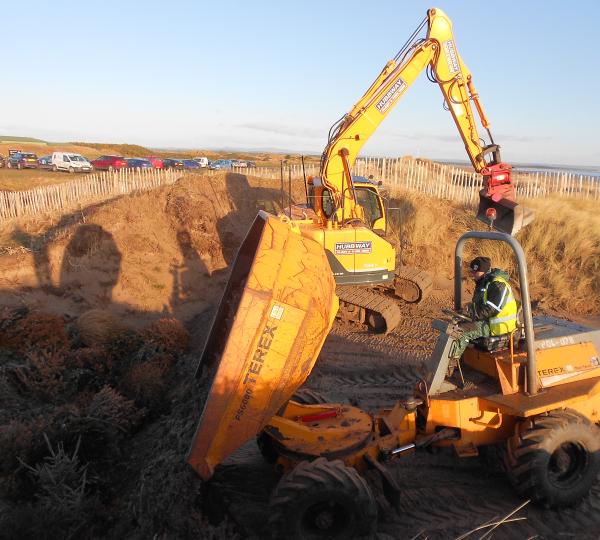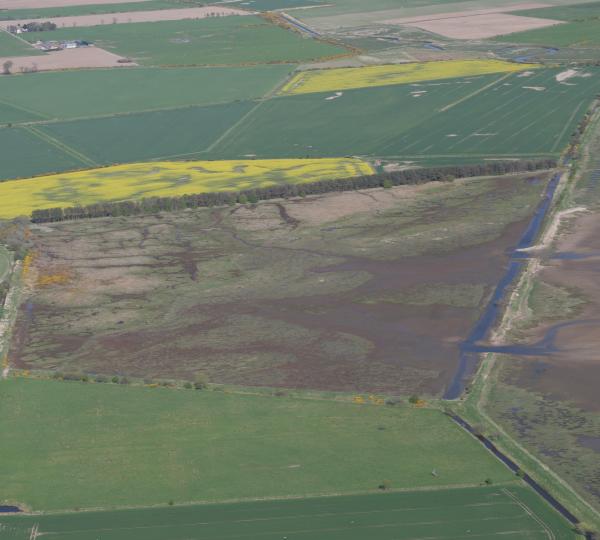

Coastal NFM measures typically are used to increase the natural resilience of the shoreline and improve flood and erosion protection. They do this by improving the volume, altitude and health of natural buffers, thus helping absorb wave and tidal energy. Measures can be applied to coastal or intertidal areas, or sometimes both. Sand dunes, for example, can be restored to improve the stability of the dune and increase its ability to dissipate wave energy and protect landward areas. Dissipation of wave and tidal energy can also be improved by replacing sediment eroded from beaches or restoring intertidal habitats such as saltmarsh and mudflats.
Case Studies
News & Events
- Scotland’s Flood Resilience Conference 202726th January, 2027 – 10:00 to 27 January, 2027 – 17:30 Scotland’s Flood Resilience Conference 2027 will take place at Dynamic Earth, Edinburgh, on 26-27 January 2027, bringing together Scotland’s flood resilience community to… Read more: Scotland’s Flood Resilience Conference 2027
- SEPA Flood Risk Management Plans 2028-2034 ConsultationThe Scottish Environment Protection Agency (SEPA) is carrying out two phases of consultation to inform the development of the 2028-2034 Flood Risk Management Plans. Phase 1 is open now and focuses on community engagement.… Read more: SEPA Flood Risk Management Plans 2028-2034 Consultation
- Estimating the benefits of natural flood managementA report has been published by the Environment Agency on estimating the benefits of natural flood management. Many NFM projects are community-led and low-cost but struggle to secure funding because traditional methods for estimating… Read more: Estimating the benefits of natural flood management
Images