Category: News
-
Report published on reducing the mental health and wellbeing impacts of flooding
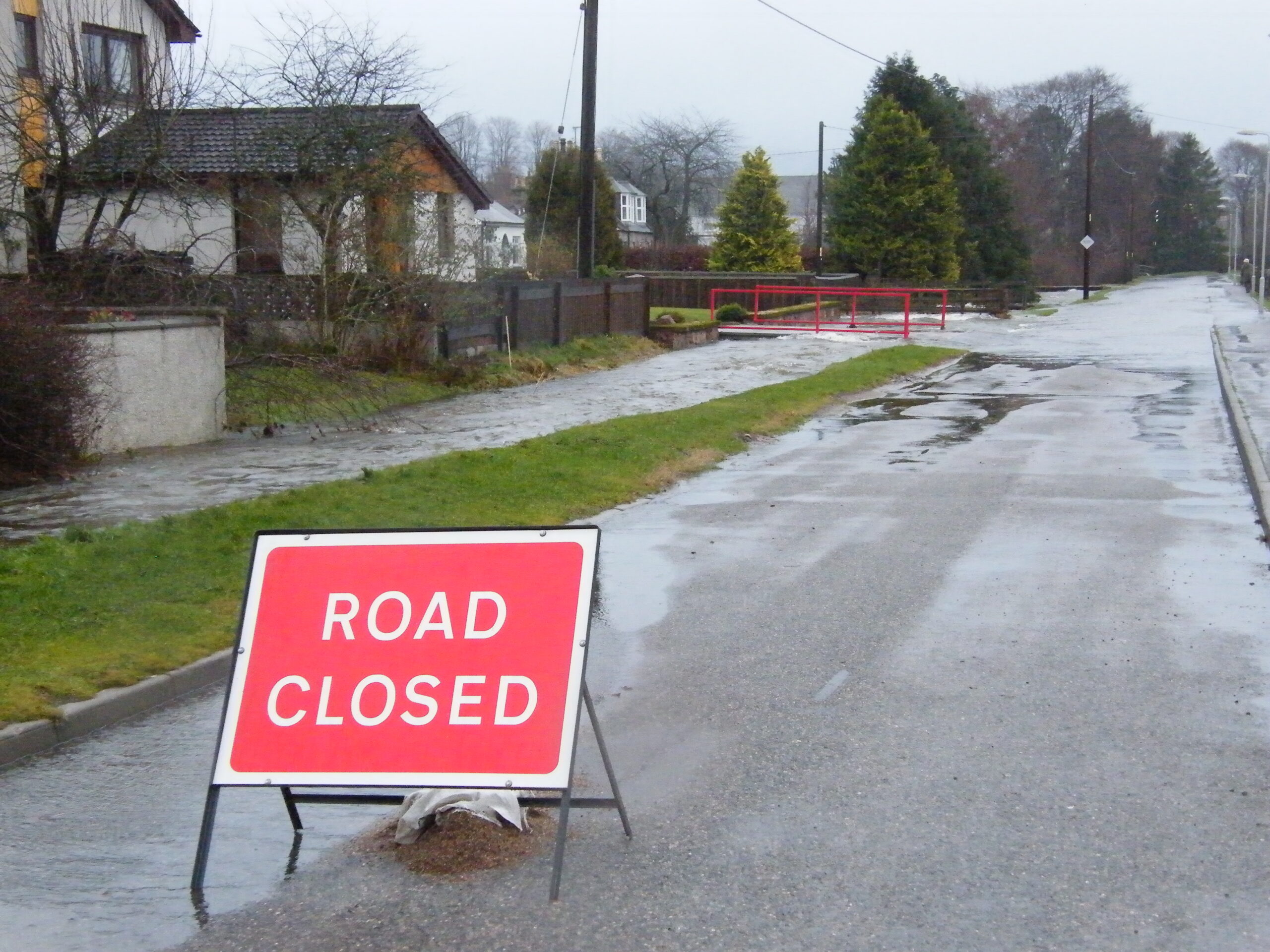
A report led by Scotland’s Centre of Expertise for Waters highlights the significant and often long-lasting impacts that flooding can have on mental health and wellbeing. The study examines evidence from a range of interventions, including health, community, socio-economic, property-level and nature-based approaches, to identify ways of reducing these effects. It also explores how policy…
Written by
-
CREW report highlights natural capital’s role in protecting Scotland’s water environment
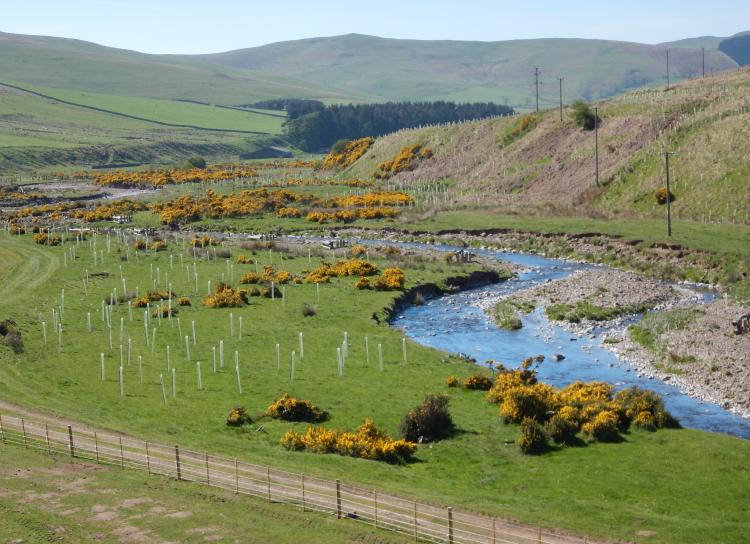
Funding, Land and Runoff management, Multiple Benefits, News, River and floodplain management, Science and Research, Stakeholder engagement, WoodlandA new report led by CREW, Scotland’s Centre of Expertise for Waters highlights how a natural capital approach can strengthen River Basin Management Planning (RBMP) and help protect and improve Scotland’s water environment. The study explores how natural resources across river catchments influence water quality, biodiversity, climate resilience and the wider benefits that rivers, lochs,…
Written by
-
Register your interest in the Scientific Advances for River Restoration Conference
Funding, Multiple Benefits, News, River and floodplain management, Science and Research, Stakeholder engagementThe River Restoration Centre is inviting people to register their interest in SARR 2027, an international scientific conference on river and floodplain systems taking place on 1–2 September 2027. By registering early, participants can help shape the conference programme and stay informed as plans develop. The conference will bring together scientists, researchers and practitioners to…
Written by
-
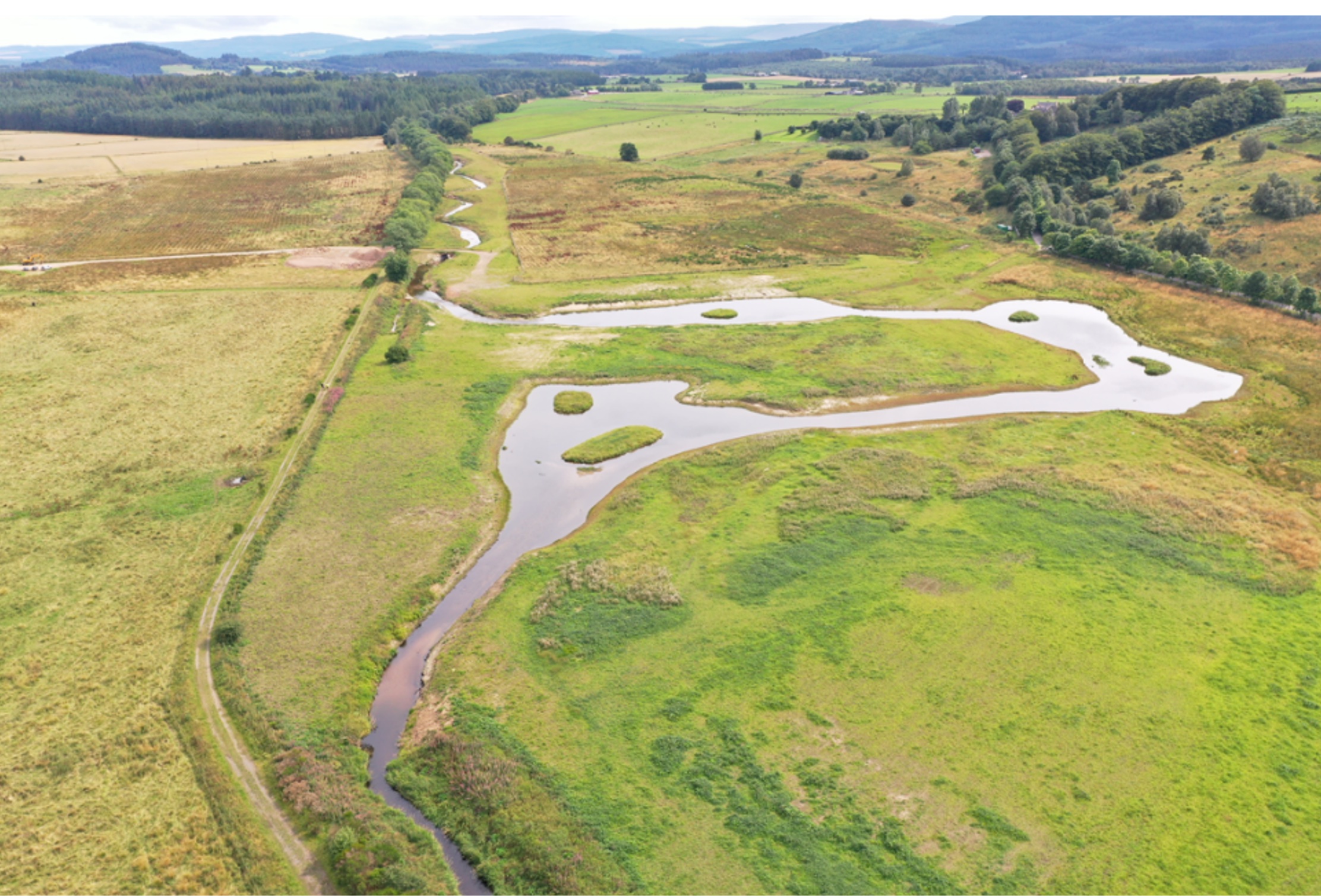
Reducing Surface Runoff and Erosion with ‘Magic Margins’
Funding, Land and Runoff management, Multiple Benefits, News, River and floodplain management, Science and Research, Stakeholder engagementScotland’s Farm Advisory Service has published new guidance on ‘Magic Margins’, an innovative, nature-based solution to combat soil erosion and surface runoff on sloping farmland. Magic Margins are modified field margins featuring ridges built perpendicular to slopes with small dams between them that slow water flow, increase infiltration, and trap sediment containing nutrients and agrochemicals…
Written by
-
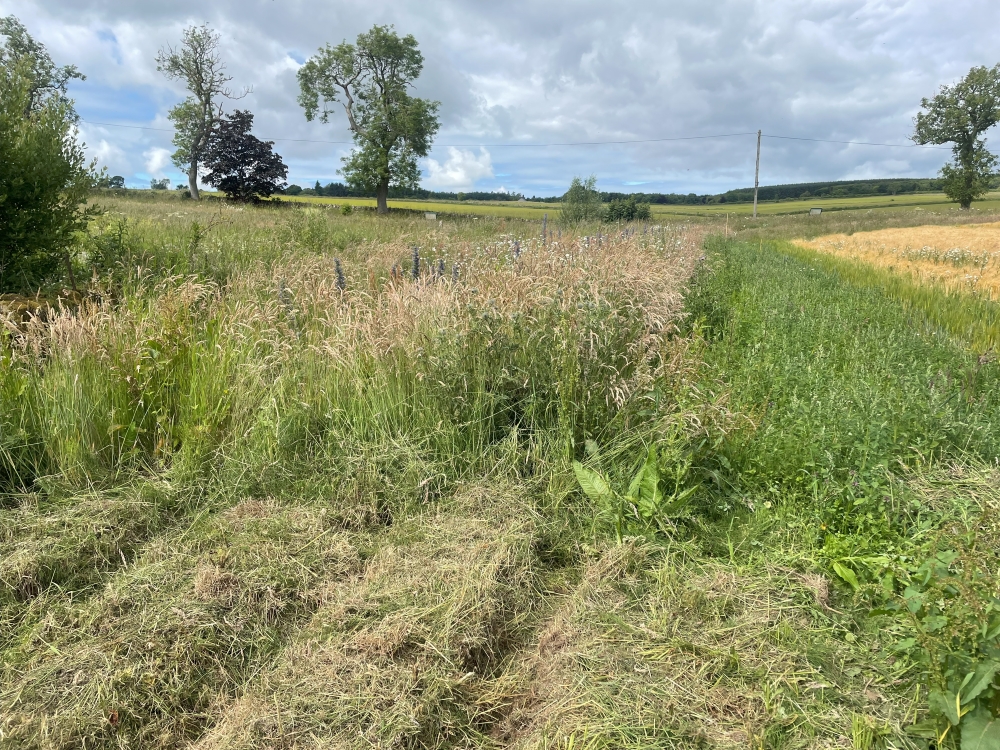
A New Decision-Support Tool for Optimising Nature-Based Solutions (TSA-DOT)
Land and Runoff management, Multiple Benefits, News, River and floodplain management, Science and Research, Stakeholder engagementThe Temporary Storage Areas Design Optimiser Tool (TSA-DOT) is a decision-support tool that helps planners design and optimise nature-based flood management solutions. TSA-DOT provides practical guidance for incorporating temporary storage areas, such as ponds, wetlands, or raised field margins into flood risk management strategies to control runoff and reduce flooding. The tool’s methodology and applications…
Written by
-
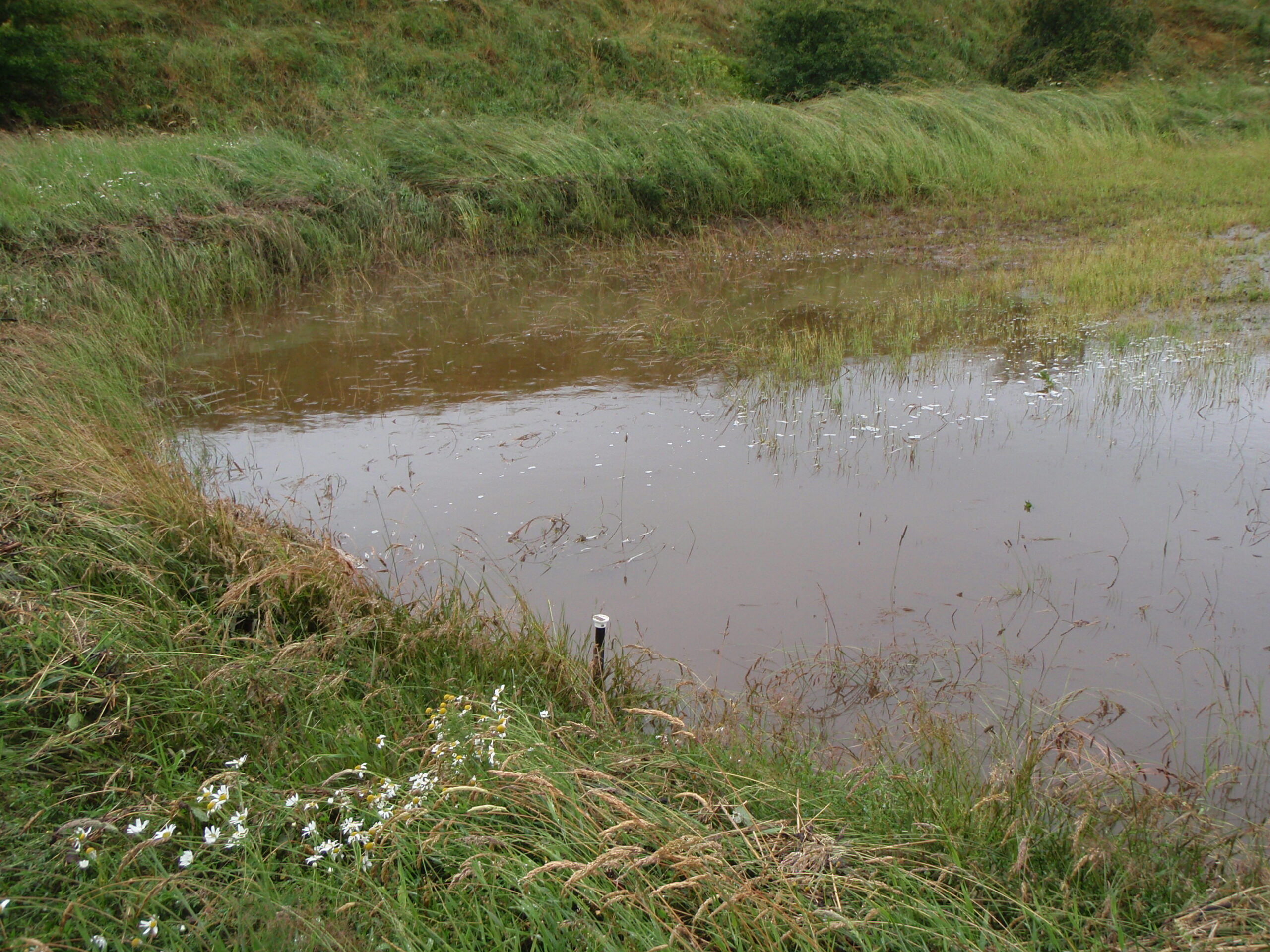
SEPA Flood Risk Management Plans 2028-2034 Consultation
Coastal and estuary, Land and Runoff management, Multiple Benefits, News, River and floodplain management, Stakeholder engagement, WoodlandThe Scottish Environment Protection Agency (SEPA) is carrying out two phases of consultation to inform the development of the 2028-2034 Flood Risk Management Plans. Phase 1 is open now and focuses on community engagement. SEPA is also seeking information from the public about existing projects and initiatives that help manage flooding in Potentially Vulnerable Areas.…
Written by
-
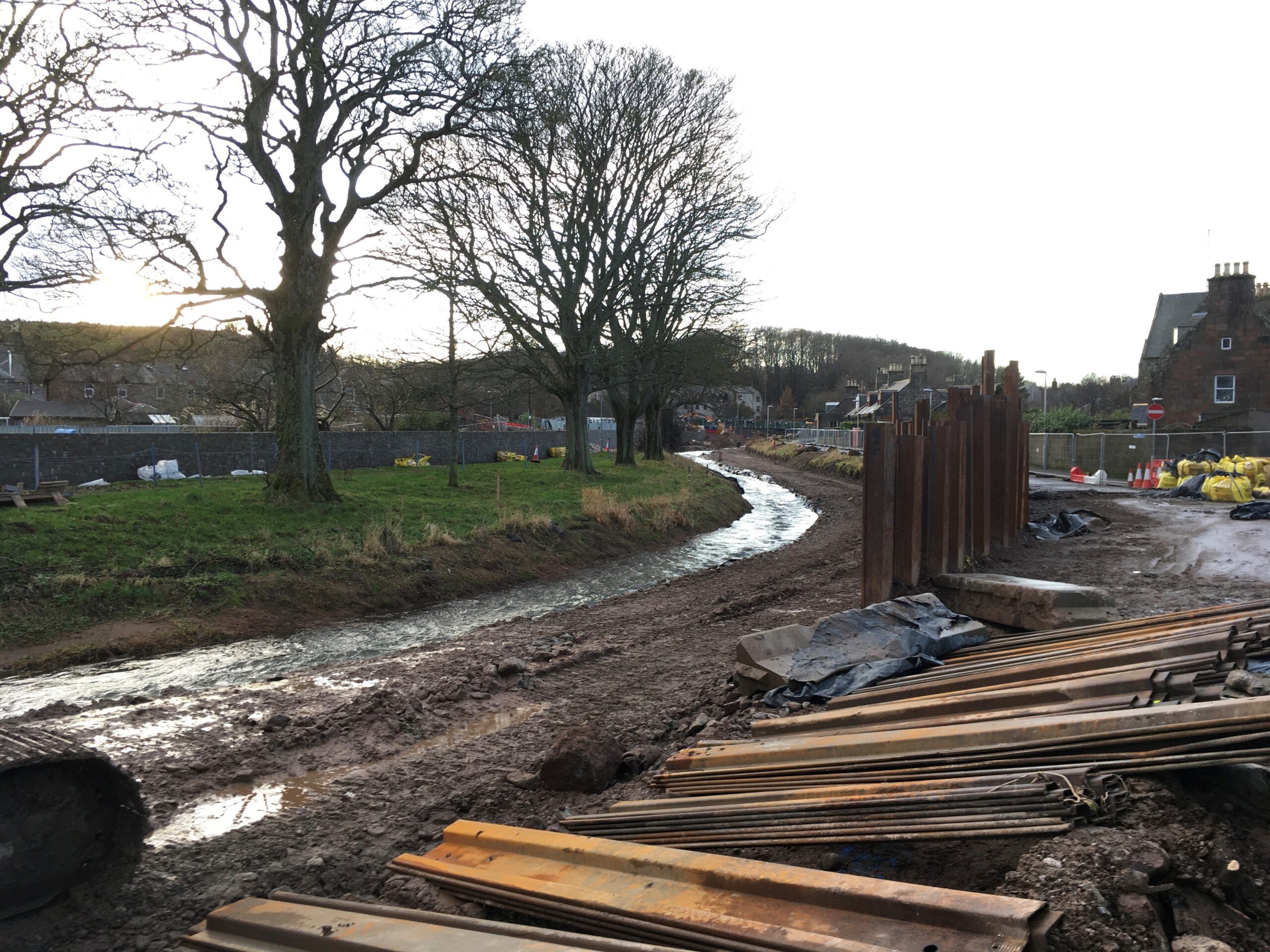
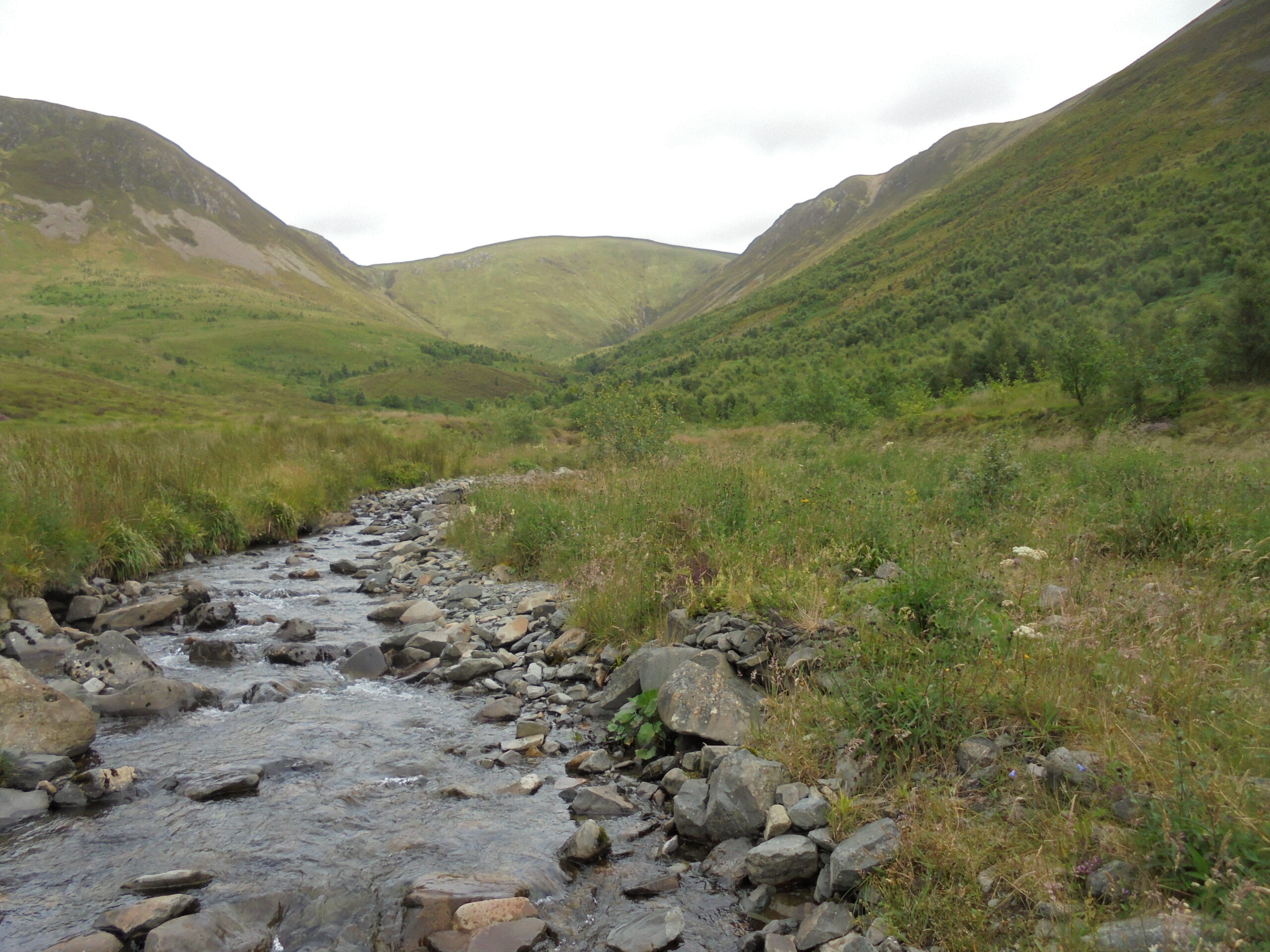
Estimating the benefits of natural flood management
Coastal and estuary, Funding, Land and Runoff management, Multiple Benefits, News, River and floodplain management, Science and Research, Stakeholder engagement, WoodlandA report has been published by the Environment Agency on estimating the benefits of natural flood management. Many NFM projects are community-led and low-cost but struggle to secure funding because traditional methods for estimating economic benefits are expensive and complex. This new approach provides a proportionate, consistent method for assessing NFM project benefits, drawing on…
Written by
-
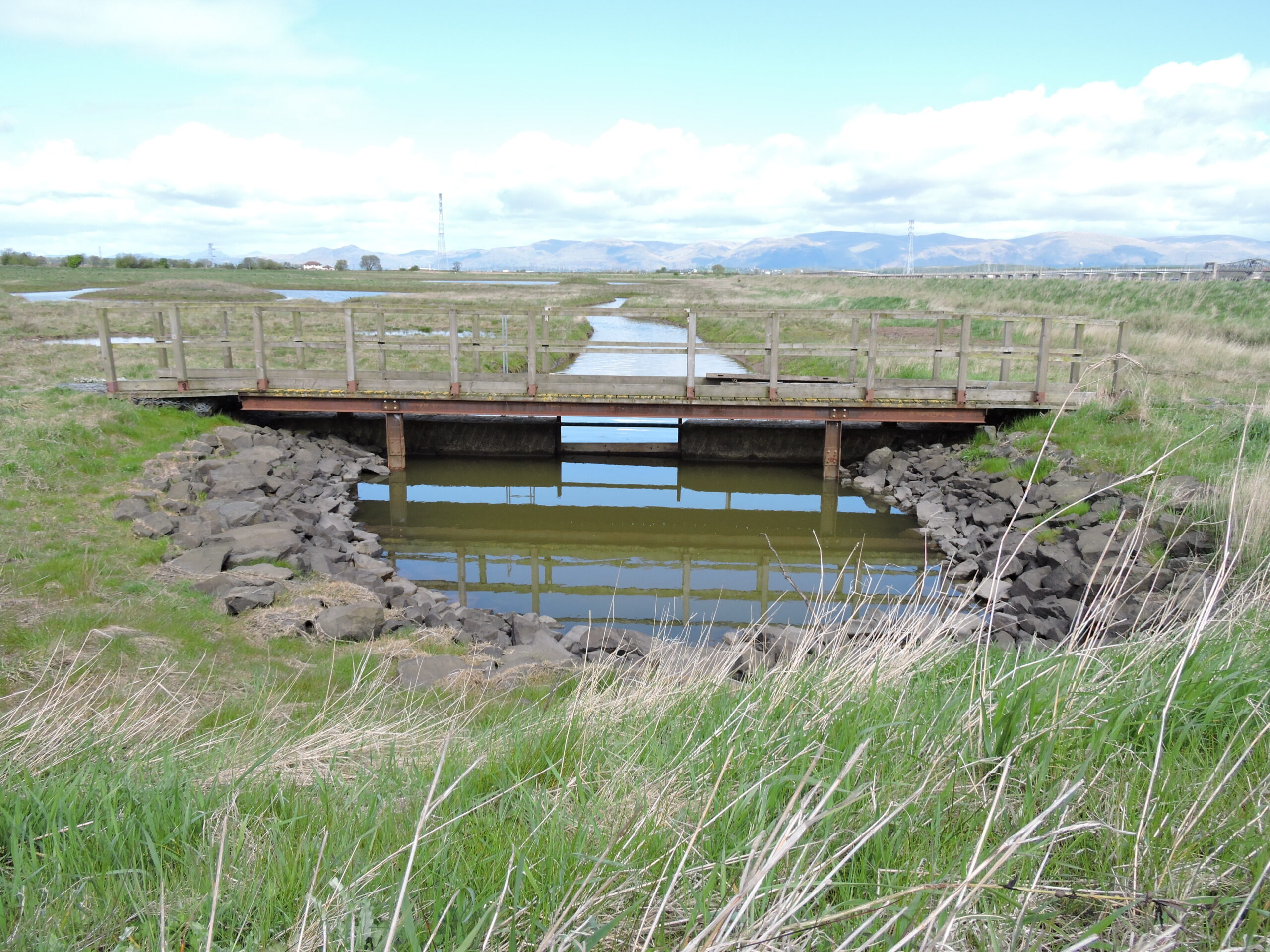
Scotland’s Flood Resilience Conference 2026
Coastal and estuary, Funding, Land and Runoff management, Multiple Benefits, News, River and floodplain management, Stakeholder engagement, WoodlandScotland’s Flood Resilience Conference was held in January at Dynamic Earth, Edinburgh, attracting over 500 attendees from government, local authorities, communities and research organizations. Key topics included making space for both people and water, coastal erosion challenges, and the mental health impacts of flooding on communities. Full conference outputs will be made available soon, and…
Written by
-
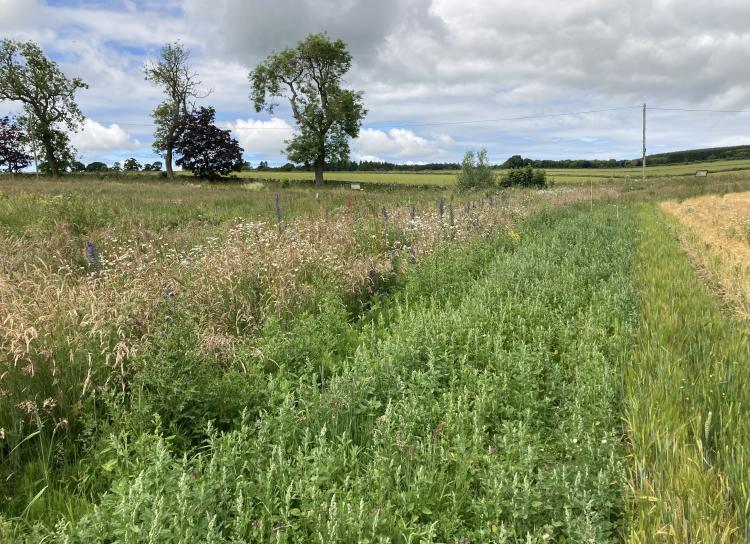
Podcast on Magic Margins; helping maintain soil on farm
Funding, Land and Runoff management, Multiple Benefits, News, Science and Research, Stakeholder engagementA podcast has been released by Farming and Water Scotland that discusses the ‘Magic Margin’ approach. In this podcast, they talk with David Boldrin from the James Hutton Institute about how magic margins can be used to help reduce diffuse pollution on farm and help maintain soil on farm. Magic Margins are part of a…
Written by
-
Working with natural processes – webinar recording now available
Coastal and estuary, Funding, Land and Runoff management, Multiple Benefits, News, River and floodplain management, Science and Research, Stakeholder engagement, WoodlandA webinar recording is now available that summarises the new Working With Natural Processes Evidence Directory update. Working with natural processes (WWNP) aims to protect, restore and emulate the natural functions of catchments, floodplains, rivers and the coast to reduce flood risk. It is also referred to as natural flood management (NFM). The 2025 update report…
Written by